
How Lululemon Built a Brand That Sells Belonging, Not Just Apparel
How can a brand achieve such loyalty that a customer is willing to fly across the Atlantic just to buy its product?
After moving to Switzerland, I noticed something almost irrational about my own behavior. Every time my husband or I travel back to Canada, I make sure we return with at least one purchase from Lululemon. Not because I can’t buy activewear in Europe. Not because alternatives don’t exist. But because something about the brand feels familiar, trustworthy — almost ritualistic.
That kind of loyalty doesn’t happen by accident. It’s not just product quality. It’s not just marketing. It’s the result of a carefully constructed brand system that goes far beyond apparel. In this post, I’ll break down how Lululemon built that system, why it continues to scale, and what can your business take away from their strategy.

1. Identity Before Product
LuluLemon sells a version of you — not just leggings. They positioned the brand around:
Self-optimization
Mind-body discipline
Wellness as aspiration
“Elevated” athleticism
From manifesto shopping bags to in-store messaging, the brand speaks directly to a specific self-image: driven, mindful, high-performing.
Why this builds loyalty:
When customers see themselves reflected in a brand identity, switching brands feels like switching identities.
How to apply this to your brand:
Define the identity transformation your customer undergoes when choosing you. Not what they buy — who they become. Highlight this in your marketing messaging.
One strategic step you can do today:
Rewrite your homepage hero line to focus on identity outcome, not features.
Shift from:
“High-performance activewear.”
To something closer to:
“For people who take their growth seriously.”
Even small language shifts begin reshaping perception.
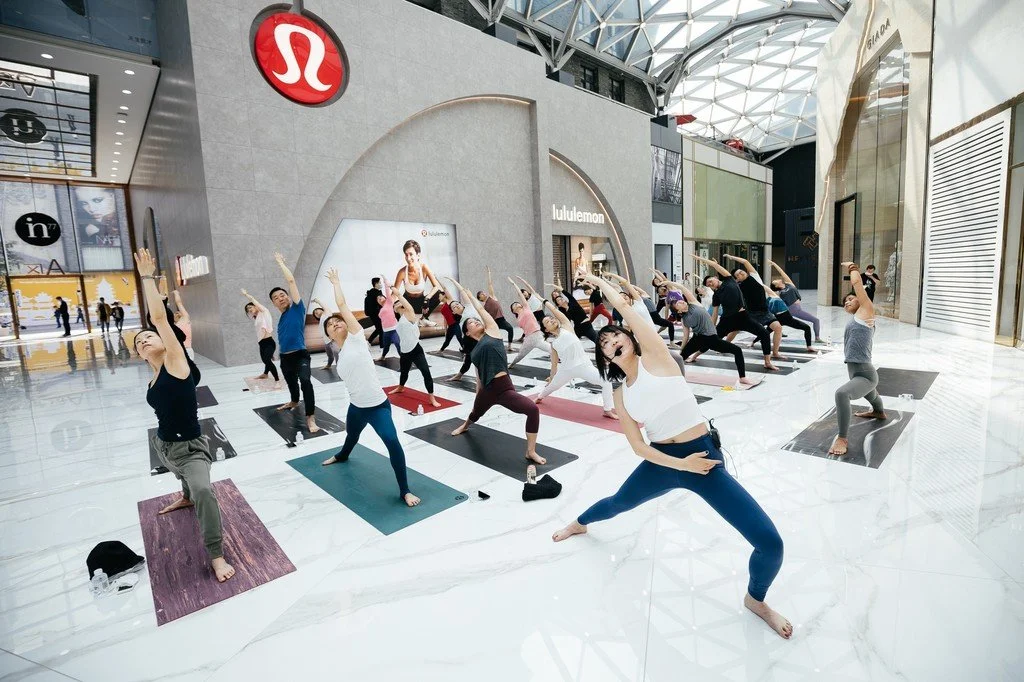
2. Retail as Ritual
Stores are community hubs, not inventory spaces. Lululemon transformed retail into:
Yoga studios
Event venues
Ambassador platforms
Social gathering spaces
The store becomes a third place — between home and work.
Why this builds loyalty:
Ritual creates emotional memory. Emotional memory creates attachment.
How to apply this to your brand:
Identify where you can create repeatable rituals instead of isolated transactions.
Ritual = recurring interaction + emotional association.
For digital brands, this could mean:
Weekly educational drops
Live sessions
Community challenges
Structured onboarding sequences
One strategic step you can do today:
Map your customer journey and circle one interaction that could become recurring.
Then design a name and structure around it.
“Ritual begins when repetition becomes intentional.”
3. Community as Infrastructure
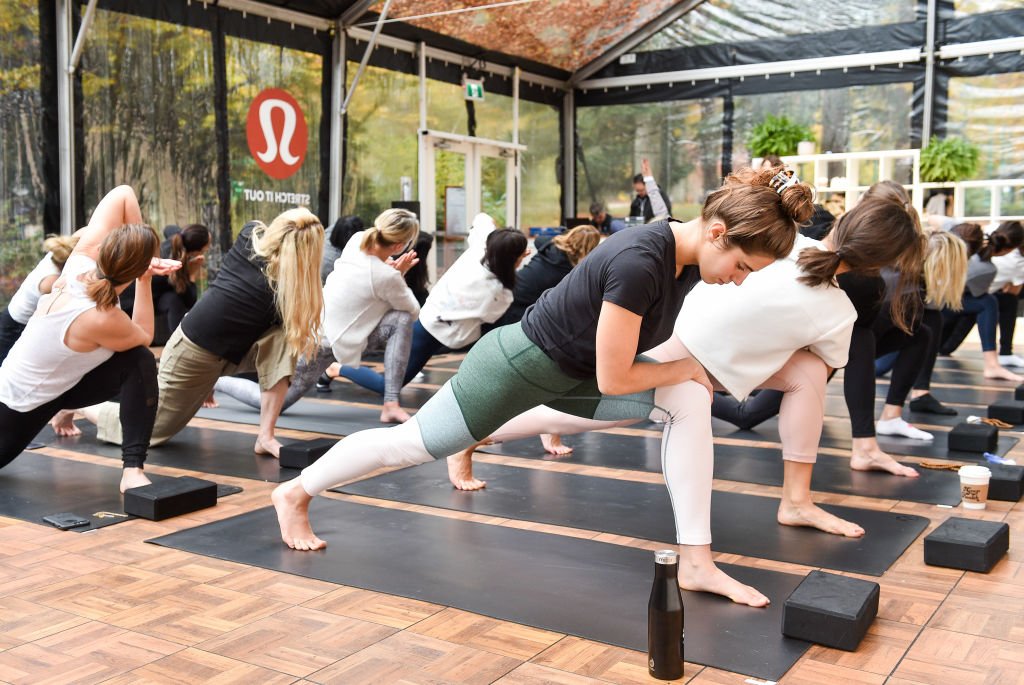
LuluLemon ambassadors weren’t influencers — they were local leaders. Before influencer marketing exploded, Lululemon built:
Local fitness instructor partnerships
Community-driven events
Hyperlocal brand integration
This wasn’t celebrity endorsement. It was proximity-based trust.
Why this builds loyalty:
Trust transfers from community leaders to brand.
How to apply this to your brand:
Instead of asking, “How do we get reach?”
Ask, “Who already has trust with our audience?”
Look for:
Micro-communities
Niche leaders
Local or digital group anchors
Build integration, not sponsorship.
One strategic step you can do today:
Identify 3 community leaders your audience already respects.
Reach out with collaboration value — not a discount code.
Trust compounds when it’s transferred, not manufactured.
4. Visual Restraint + Premium Signaling
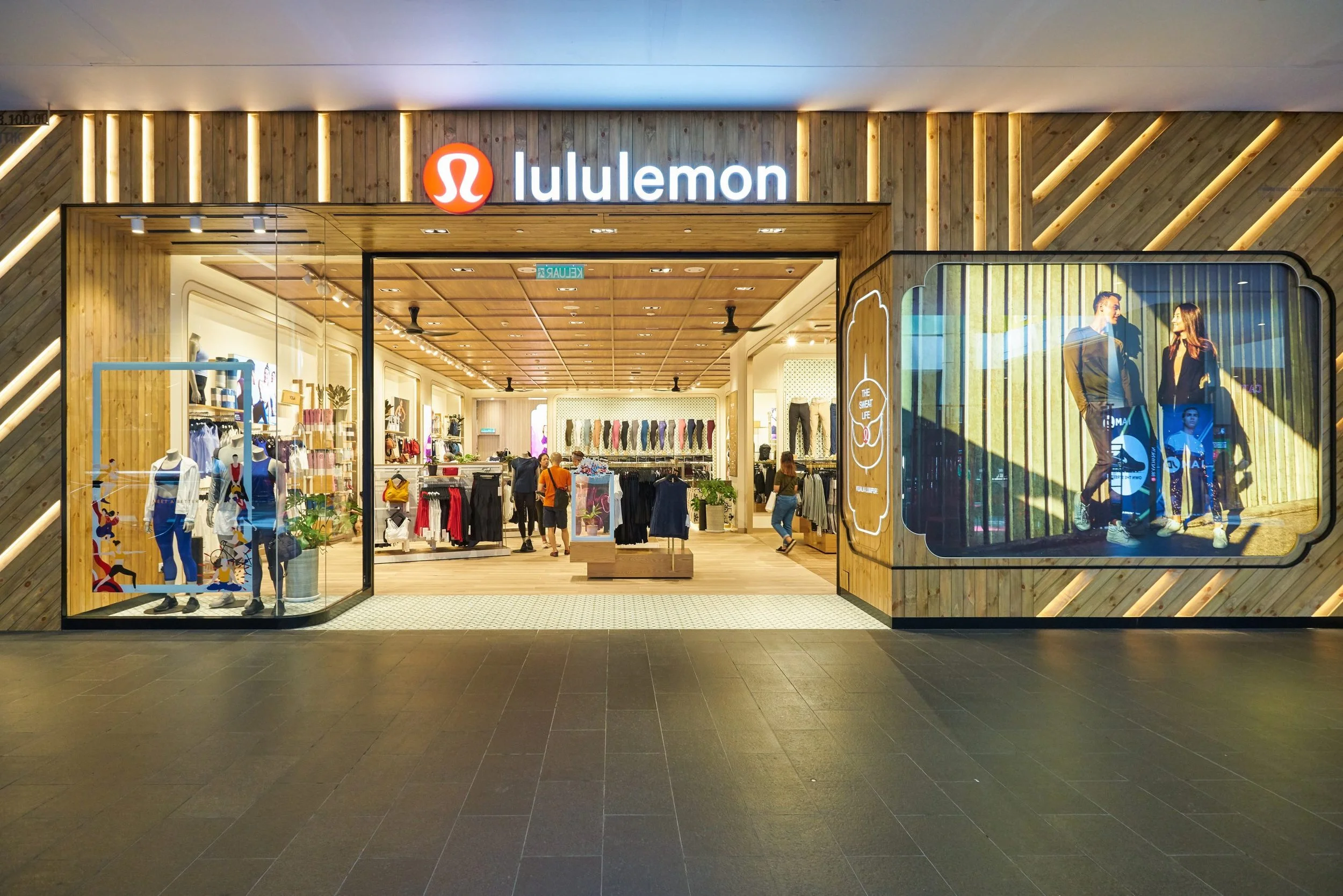
Understatement as status. Unlike loud athletic brands, Lululemon:
Uses minimal logos
Maintains clean, consistent retail environments
Leans into monochrome + tonal palettes
It feels premium without screaming it.
Why this builds loyalty:
Understated brands allow customers to project status onto themselves.
How to apply this to your brand:
Audit where your brand may be trying too hard:
Overuse of logos
Trend-driven design choices
Inconsistent tone across platforms
Premium brands remove noise.
One strategic step you can do today:
Open your last 10 social posts or website sections.
Remove one unnecessary visual element from each.
Clarity increases perceived confidence.

5. Behavioral Reinforcement Through Product Quality
LuluLemon makes long-lasting products with a performance that validates identity. The product performs. It lasts. It fits well, even years after the purchase. This matters strategically because:
The brand promise must be repeatedly confirmed
Quality reduces post-purchase regret
Repurchase becomes automatic
Why this builds loyalty:
When experience matches aspiration, cognitive dissonance disappears.
How to apply this to your brand:
Audit the gap between what your marketing promises, and what your customer actually experiences. Loyalty strengthens when those two align seamlessly.
One strategic step you can do today:
Collect 5 unfiltered customer comments or reviews.
Highlight repeated words.
Are they reinforcing the identity you claim — or contradicting it?
Alignment is measurable.
Most brands chase loyalty with points systems and promotions. Lululemon engineered it through identity design.
When a customer is willing to plan purchases around international travel, you’re no longer competing on product. You’re operating on belonging. That level of loyalty is never accidental. It’s structural.
Which brands have earned that kind of loyalty from you?
I’m continuing this series with more deep dives into visual identities and brand systems built to scale.
Follow along — or suggest a brand you’d like to see analyzed next in the comments below.